Beyond Console Sales: Xbox's Future in a Pivoting Industry
In the dynamic world of video games, few phrases ignite as much fervent debate and online hysteria as "xbox is dead." This declaration, often echoed across social media platforms and gaming forums, paints a bleak picture of Microsoft's gaming division teetering on the brink of collapse. Yet, a closer look beyond the sensational headlines and heated arguments reveals a vastly different reality. Far from being a dying brand, Xbox is in the midst of a significant strategic pivot, navigating an industry that itself is undergoing massive transformation. The narrative of "xbox is dead" often originates from a specific online culture, detached from the experiences of the vast majority of gamers and the actual trajectory of the business.
The Echo Chamber Effect: Deconstructing the "Xbox is Dead" Narrative Online
The persistent "xbox is dead" narrative is not a reflection of widespread sentiment but rather the product of what can be best described as an online echo chamber. Within these digital spaces – be it certain subreddits, Twitter threads, or forum communities – a loud minority of self-proclaimed "fans" or detractors amplify every piece of negative news, rumor, or speculation. This isn't about genuine concern for the brand; as our reference context suggests, these "quote-unquote fans" often have "other agendas," whether it's simply to provoke a reaction, garner attention, or fuel console wars.
This endless cycle of doomsaying creates an environment where nuance is lost, and repetitive "word vomit" drowns out meaningful discussion. The traditional media, unfortunately, plays a role in this amplification. As former media professionals attest, the primary goal is often to "sell advertising," and "riled-up viewers engage more." Controversy, even if manufactured, drives clicks and views, making "the truth really doesn't matter" a sad but often accurate assessment of today's engagement-driven landscape. This symbiotic relationship between clickbait media and an easily agitated online minority perpetuates the myth that Xbox is on its last legs, despite evidence to the contrary. For a deeper dive into this phenomenon, we encourage you to read Xbox Is Not Dead: Why Online Hysteria Fails Real Gamers.
Beyond the Hype: What Real Gamers Are Experiencing
While online forums buzz with prophecies of doom, millions of actual Xbox console owners and Game Pass subscribers are simply... playing games. They aren't caught up in the endless speculation about exclusives, market share, or corporate strategies. They're enjoying titles like Starfield, exploring new worlds on Game Pass, or diving into multiplayer sessions with friends. The experiences of casual gamers, who constitute the vast majority of the audience, stand in stark contrast to the manufactured panic online.
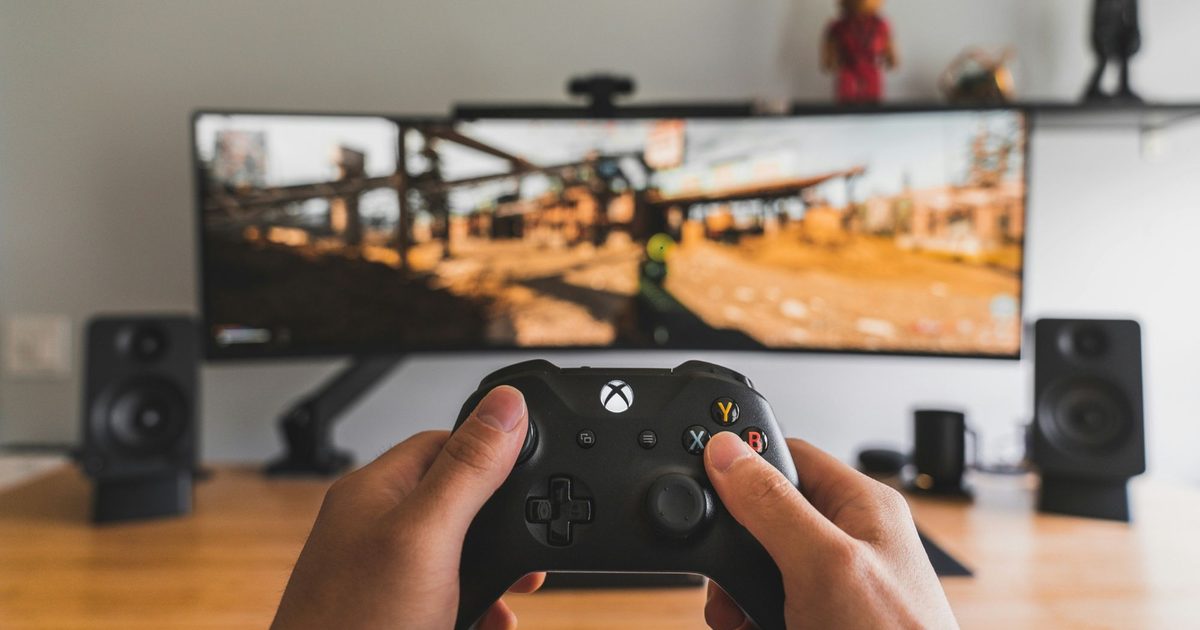
Consider the average gamer: they pick up their controller, boot up their Xbox Series X|S, and select a game. Their satisfaction is derived from the gameplay itself, the stories, the challenge, and the social interaction – not from analyzing quarterly reports or participating in online console wars. Our reference context highlights this perfectly: "I have 6 close friends that own Xbox brand consoles. They have no clue about any of this at all. They just play what they want. It's a peaceful life." This underscores a crucial point: the health of a gaming platform, for most consumers, is defined by the quality and availability of games, not by online sentiment or speculative rumors.
It's also important to distinguish between metaphorical "death" and actual hardware failure. Sometimes, "xbox is dead" might refer to an aging console, like an original Xbox, finally giving up the ghost. While frustrating, this is a technical issue, not a sign of the brand's strategic demise. For those dealing with such literal hardware challenges, resources like Revive Your Original Xbox: HDD Replacement and EEPROM Guide can offer practical solutions.
Navigating Industry-Wide Pivots: Xbox's Proactive Strategy
The gaming industry is no stranger to monumental shifts, and the current landscape is arguably one of the most dynamic in its history. Companies are constantly "trying to figure stuff out," as one of our sources aptly puts it. We've seen significant pivots even from major players like Square Enix, who were "doing exclusives last week, now they're not anymore (except for contractual obligations)." This fluidity is not unique to one company; it's a symptom of an industry in flux, adapting to changing consumption habits, technological advancements, and new business models.
Against this backdrop, Xbox isn't just reacting; it's proactively "future-proofing themselves." Microsoft recognizes that the traditional console sales metric, while historically significant, is becoming less indicative of a platform's overall success or health. The industry is moving towards a broader ecosystem where accessibility, subscription services, and multi-platform reach are paramount. Xbox's strategy reflects this understanding, positioning itself for a future where gaming isn't confined to a single box under the TV, but accessible across a multitude of devices and platforms.
The Future Isn't Console-Dependent: Xbox as an Ecosystem
Xbox's current strategy, often misinterpreted as a sign of weakness by the "xbox is dead" camp, is actually a bold move towards defining the future of gaming. The core tenets of this vision revolve around:
- Game Pass as the Central Pillar: Rather than solely focusing on selling individual games or consoles, Game Pass offers a vast, evolving library of titles for a monthly subscription. This service-centric approach attracts and retains players by offering unparalleled value across console, PC, and cloud platforms.
- Cloud Gaming and Multi-Platform Reach: Xbox is increasingly platform-agnostic, aiming to meet players wherever they are. Through Xbox Cloud Gaming, titles can be streamed to phones, tablets, smart TVs, and even other devices without the need for dedicated console hardware. This expansion beyond console walls is a significant deviation from traditional industry models.
- First-Party Exclusives Evolving: While Xbox will continue to develop blockbuster first-party titles, the definition of "exclusive" is broadening. Many of these games are now day-one releases on PC Game Pass, and some may even see releases on competing consoles to maximize reach and revenue, much like the broader industry trend of multi-platform releases.
This strategic shift suggests that "console sales won't be one of them" in terms of critical success metrics for Xbox in the long run. Instead, metrics like Game Pass subscriber growth, engagement across platforms, and the overall health of its gaming ecosystem will matter far more. Xbox aims to be a comprehensive gaming service provider, a hub for content and community, rather than simply a hardware manufacturer competing in a shrinking box-selling race. This commitment to future-proofing, if executed successfully, could indeed leave Xbox "completely isolated from the competition in pretty much all areas and sectors, that ACTUALLY matter!"
Actionable Insights for Gamers and Enthusiasts:
- Tune Out the Noise: The most important advice for any gamer is to enjoy your games. Ignore the sensationalism and doomsaying that plague online discussions. Your personal enjoyment is the ultimate metric of a platform's success.
- Look at the Bigger Picture: Understand that the gaming industry is always evolving. Companies like Xbox are making long-term strategic decisions that may not always align with short-term online narratives.
- Evaluate Value: Consider the value propositions of services like Game Pass. If it provides a library of games you enjoy for a reasonable price, then it's delivering on its promise, regardless of market share debates.
Conclusion
The narrative of "xbox is dead" is a compelling example of how online echo chambers and media sensationalism can distort reality. Far from facing imminent demise, Xbox is demonstrating a proactive and intelligent approach to navigating a rapidly changing industry. By prioritizing an ecosystem model, focusing on Game Pass, cloud gaming, and multi-platform accessibility, Xbox is redefining what success looks like beyond traditional console sales. For the average gamer, this means continued access to a vast library of games and new ways to play. It's time to tune out the manufactured panic, appreciate the strategic foresight, and simply enjoy the games that Xbox continues to bring to players across the globe.