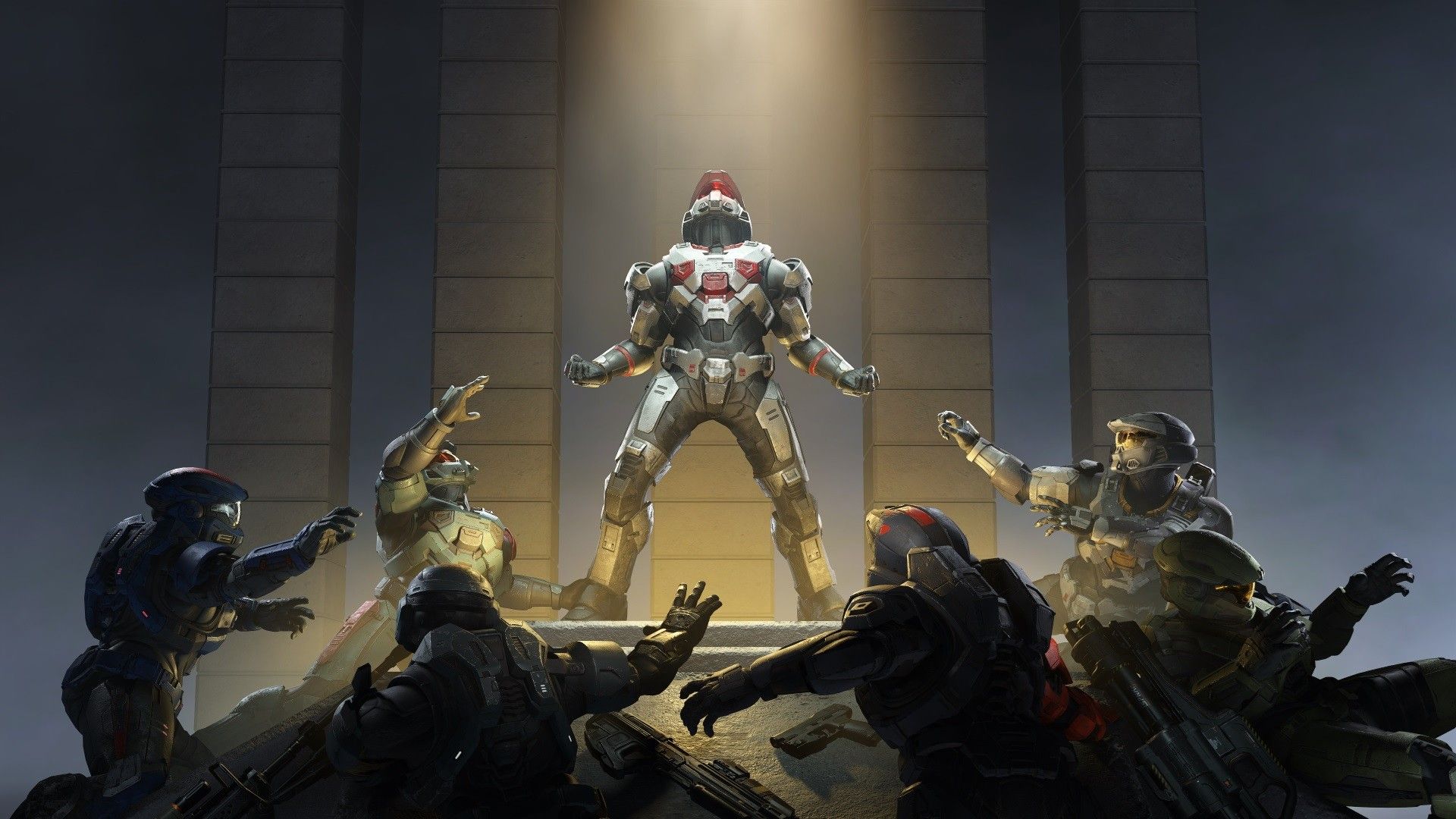
Xbox Is Not Dead: Why Online Hysteria Fails Real Gamers
In the ever-churning digital landscape of gaming, few phrases generate as much heat as "Xbox is dead." It’s a declaration that periodically erupts across social media, forums, and comment sections, often accompanied by doomsaying predictions and intense debate. Yet, for many, perhaps even most, gamers, this existential crisis for Xbox feels entirely disconnected from their daily reality. While the online discourse can be loud and persistent, a closer look reveals that the narrative of a dying Xbox is largely a product of echo chambers and agendas, failing to capture the vibrant experience of real players.
The Echo Chamber Effect: Where the "Xbox is Dead" Myth Thrives
The core of the "Xbox is dead" sentiment often originates and amplifies within specific online communities. These digital spaces, whether they be subreddits, Twitter threads, or Discord servers, can quickly become echo chambers. Within these environments, a small, vocal minority can create an overwhelming sense of consensus, even when their views are far from mainstream. What begins as a speculative rumor or a critical opinion can rapidly snowball into a widely accepted "truth," simply through repetition and lack of dissenting voices.
It's crucial to distinguish between genuine, passionate Xbox fans and those who, while purporting to be fans, might have other motives. True enthusiasts are generally focused on playing games, discussing new releases, or anticipating future titles. They aren't typically caught up in constant doomsaying or company-ending prophecies. Conversely, some individuals use these platforms to provoke, to engage in "console wars," or even to push personal or competitive agendas. These are the voices that often drive the "Xbox is dead" narrative, turning every strategic adjustment or perceived misstep into evidence of impending collapse. Many casual players, those simply looking to unwind with their favorite titles, remain blissfully unaware of this online drama. As anecdotal evidence suggests, countless Xbox owners are simply enjoying their games, oblivious to the panic brewing on social media.
Beyond the Hype: What Real Gamers Are Actually Doing
For the vast majority of people who own an Xbox console or subscribe to Game Pass, the "is Xbox dying?" question simply isn't a part of their gaming experience. Their focus remains squarely on the reason games exist in the first place: enjoyment. They are sinking hours into blockbusters like Starfield, exploring indie gems on Game Pass, or diving into multiplayer sessions with friends across various titles. The value proposition of Game Pass, offering a constantly evolving library of games, often outweighs any abstract concerns about corporate strategy.
Imagine the millions of players who log onto their Xbox each day – be it an Xbox Series X, Series S, or even an older Xbox One – to connect with friends, chase achievements, or immerse themselves in new worlds. Their conversations revolve around game mechanics, quest lines, or upcoming DLC, not the perceived health of Microsoft's gaming division. This peaceful, engagement-focused approach is a stark contrast to the frantic energy of online forums. Tuning out the noise isn't just about ignoring negativity; it's about reclaiming the simple joy that gaming is meant to provide. When you step away from the performative outrage and focus on the games themselves, it becomes clear that the Xbox ecosystem, far from being dead, is a vibrant home for millions of active players.
The Media's Role: Engagement Over Truth
The amplification of the "Xbox is dead" narrative isn't purely organic; it's often fueled by the very mechanisms of modern online media. Having worked in the media industry, it's a well-known fact that controversy sells. Riled-up viewers and readers engage more, they click more, they comment more, and this increased engagement translates directly into advertising revenue. The truth, in this cycle, often takes a backseat to what is sensational or provocative.
Headlines designed to provoke "nerd rage" or fan outrage are a common tactic. A minor report or an industry personality's social media musings can be blown out of proportion, creating a storm of comments and shares. This isn't necessarily about malicious intent, but about the economic realities of digital content creation. Content that generates strong emotional responses, whether positive or negative, performs better algorithmically. Therefore, news outlets and content creators are incentivized to cover dramatic narratives like "Xbox is dead," even if they lack substantial factual backing or represent a very niche viewpoint. Savvy consumers understand that filtering information critically and questioning the underlying agenda of highly emotional content is essential for a balanced perspective.
Xbox's Strategic Evolution: Future-Proofing in a Shifting Industry
Far from being on its deathbed, Xbox is actively navigating and shaping a rapidly evolving gaming industry. The entire sector is undergoing massive shifts, and clinging to traditional metrics like console sales as the sole indicator of success is increasingly anachronistic. We've seen companies like Square Enix pivot from strict exclusivity to multi-platform releases, demonstrating the fluidity of business strategies in this dynamic environment. Xbox's strategy appears to be one of future-proofing, positioning itself to thrive in a landscape where gaming is less about a single box under the TV and more about accessibility, choice, and subscription services.
Consider Xbox's significant investments: the continued expansion and evolution of Game Pass, its foray into cloud gaming, and its strategic acquisitions of major studios like Activision Blizzard and Bethesda. These moves aren't indicative of a company in decline; they are the actions of a global tech giant adapting to what it perceives as the future of interactive entertainment. Console sales will undoubtedly remain a metric, but they are becoming less indicative of overall ecosystem health. Xbox is betting on a future where content and services reach players across multiple devices – PCs, mobile phones, and yes, even competing consoles in some cases – leveraging the power of its vast Game Pass library and cloud infrastructure. This commitment to diversification and accessibility leaves Xbox uniquely poised to succeed in areas that truly matter in the long term, potentially leaving competitors isolated in more traditional market segments. For a deeper dive into this strategic pivot, read our article: Beyond Console Sales: Xbox's Future in a Pivoting Industry.
Ultimately, the "Xbox is dead" narrative is a loud but hollow echo. It’s a product of internet dynamics, media incentives, and a misunderstanding of Xbox's broader, long-term strategy. For the actual players, who represent the vast majority of the Xbox community, the platform is very much alive and thriving. They are too busy enjoying a vast library of games, connecting with friends, and experiencing new adventures to get caught up in the online hysteria. The best way to engage with the world of Xbox is often to tune out the noise, pick up a controller, and simply play. And for those with an enduring love for the original hardware, even a physically "dead" console can often be brought back to life; explore the possibilities with our guide: Revive Your Original Xbox: HDD Replacement and EEPROM Guide.